Some ideas do not begin in front of a whiteboard. They begin after years of watching how talent moves, how decisions get made and which kinds of behaviour find room to grow.
After spending time between Barcelona, different places in Latin America and Dubai, I have realised how much the environment affects the energy with which we return to the work. It does not build for you. It does not replace discipline. It can, however, change how willing you are to try again.
During my first days in Dubai, after completing the requirements that applied to me, I moved forward with my residence and Emirates ID. I also met people from different countries. It all moved faster than I expected. That did not mean everything was effortless; it gave me the feeling that there was a visible path from a serious intention to a concrete next step.
What I learned when conditions were not perfect
Latin America taught me resourcefulness. I learned to work with limited resources, improvise without losing the goal and understand that a good idea needs endurance before it becomes something real.
I also experienced environments where some processes were less predictable and moving forward required more patience. That is not a description of every person or place. The creativity and energy I found there are an important part of how I think and work today.
The distinction that matters to me is different: the talent of a society is not the same thing as the environment its institutions create around that talent.
A different energy in Dubai
Living in Dubai has made that distinction more visible to me. In my day-to-day work I meet people arriving with projects, working across jurisdictions and expecting a conversation to lead to a next step. That international mix gives me a sense of movement and confidence that an idea can become more concrete.
I do not see it as a utopia or as a moral comparison between regions. Speed does not replace ethics, regulation or responsibility. Not everyone needs the same environment either. In my case, that mix pushes me to think more about the product and the next concrete step.
The question shifts from “why can’t this be done?” to “what would I have to build to make it possible?”. There is not always an immediate answer. It is still a more useful question.
Since moving here, I have tried to make decisions faster, simplify processes and protect my time and energy more carefully. I do not always manage it. Real work still has confusing days, incomplete decisions and steps that need to be revisited.
Building also means making responsibility visible
This perspective has changed how I work on software. I am no longer interested only in whether something is technically possible. I want it to have clear boundaries, visible responsibility and a real reason to exist.
In systems that cross countries, providers and payment methods, simplifying the interface does not mean hiding complexity. It means putting it in the right place: who contracts, which provider performs each function, which state is confirmed and who answers when something is interrupted. Clarity is part of the product.
Building more does not necessarily mean building better. Sometimes innovation is removing a screen, documenting a decision or making it possible for someone else to continue the work without having been in the room where it started.
And here is the less polished part: sometimes I try to explain everything too neatly. Real work is usually messier, with incomplete decisions and a few steps back. To me, that is part of building too.
A credential is not a permanent identity
In 2017, Forbes included me in its 30 Under 30 Europe list for my work as CTO of Sharge. It was an important recognition, but not a permanent identity or a guarantee about what came next.
The difficult part begins when a credential already exists: continuing to learn when nobody is asking you to, building when there is no applause and accepting that every stage requires you to demonstrate the quality of the work again. An environment can increase energy, but it cannot do that work for you.
Geography influences the work; direction remains yours
Working between Barcelona and Dubai, I now think of places as systems of incentives rather than labels. Some teach you to endure. Others remind you that you can accelerate too. The important thing is not to confuse speed with direction, or optimism with evidence.
The best environment is not necessarily the fastest or the most famous. It is the one that makes you work with more clarity, take more responsibility and keep your curiosity alive. Where you build influences what you imagine possible. Turning that possibility into something solid remains your responsibility.
Note: personal reflection based on work and residence experience. It is not legal, regulatory, tax or financial advice, nor a general assessment of any region.
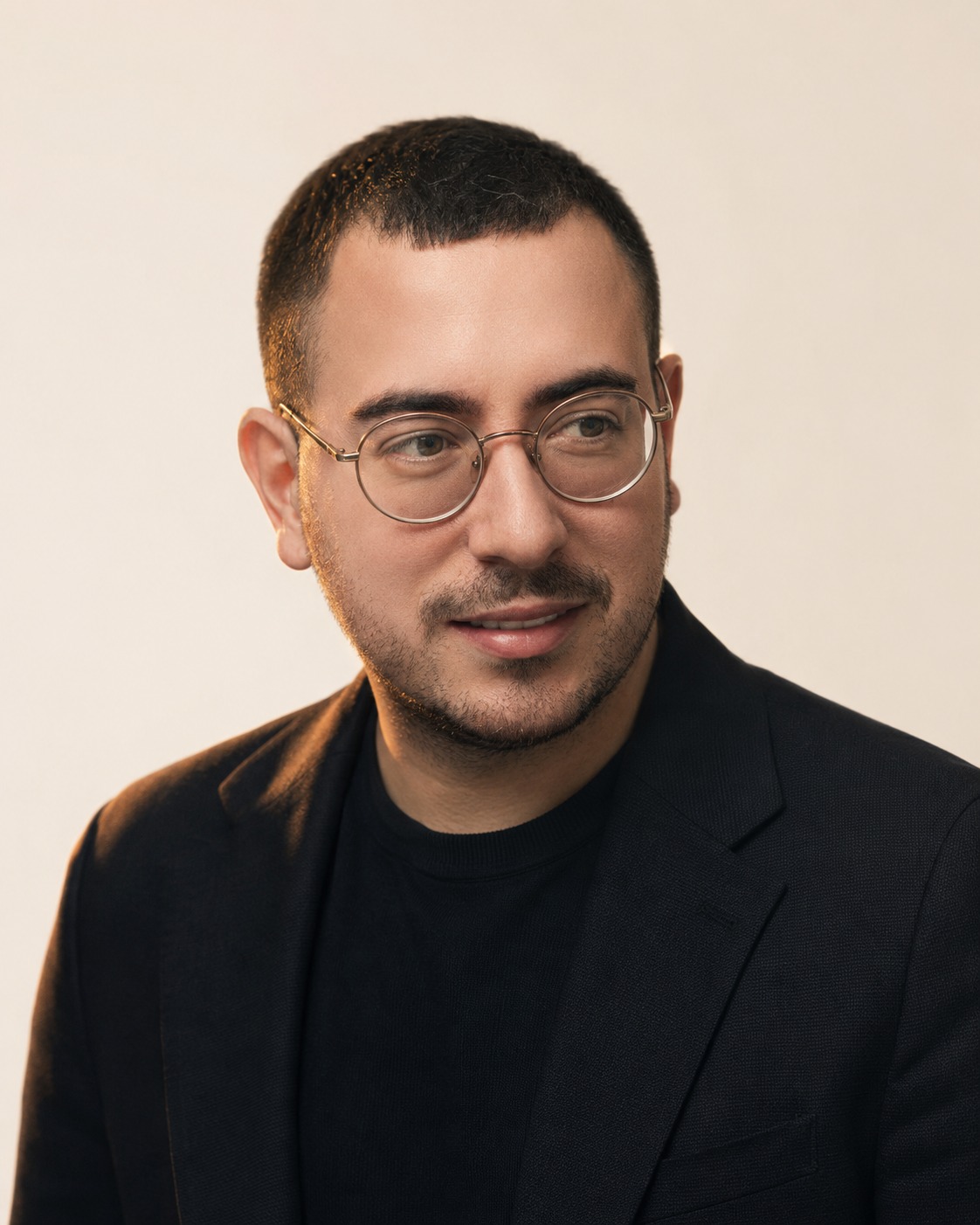
Alex Sicart Ramos writes about building, product, infrastructure and technology across jurisdictions. More about the author.